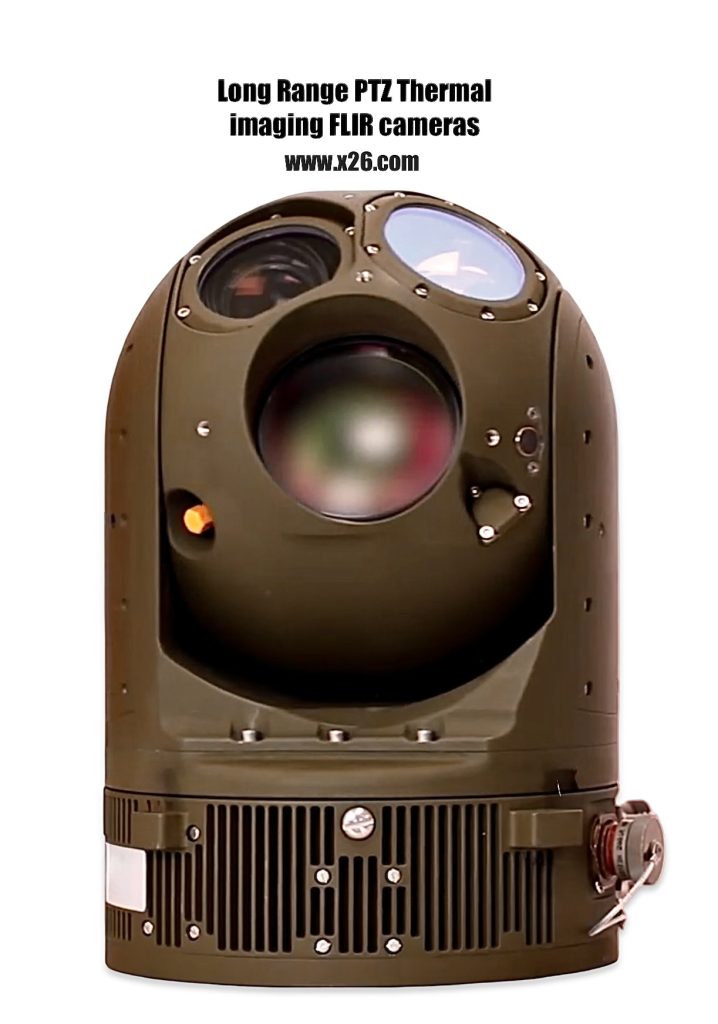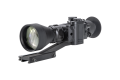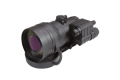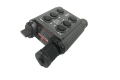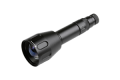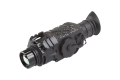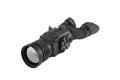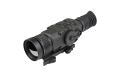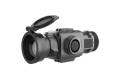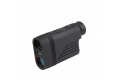
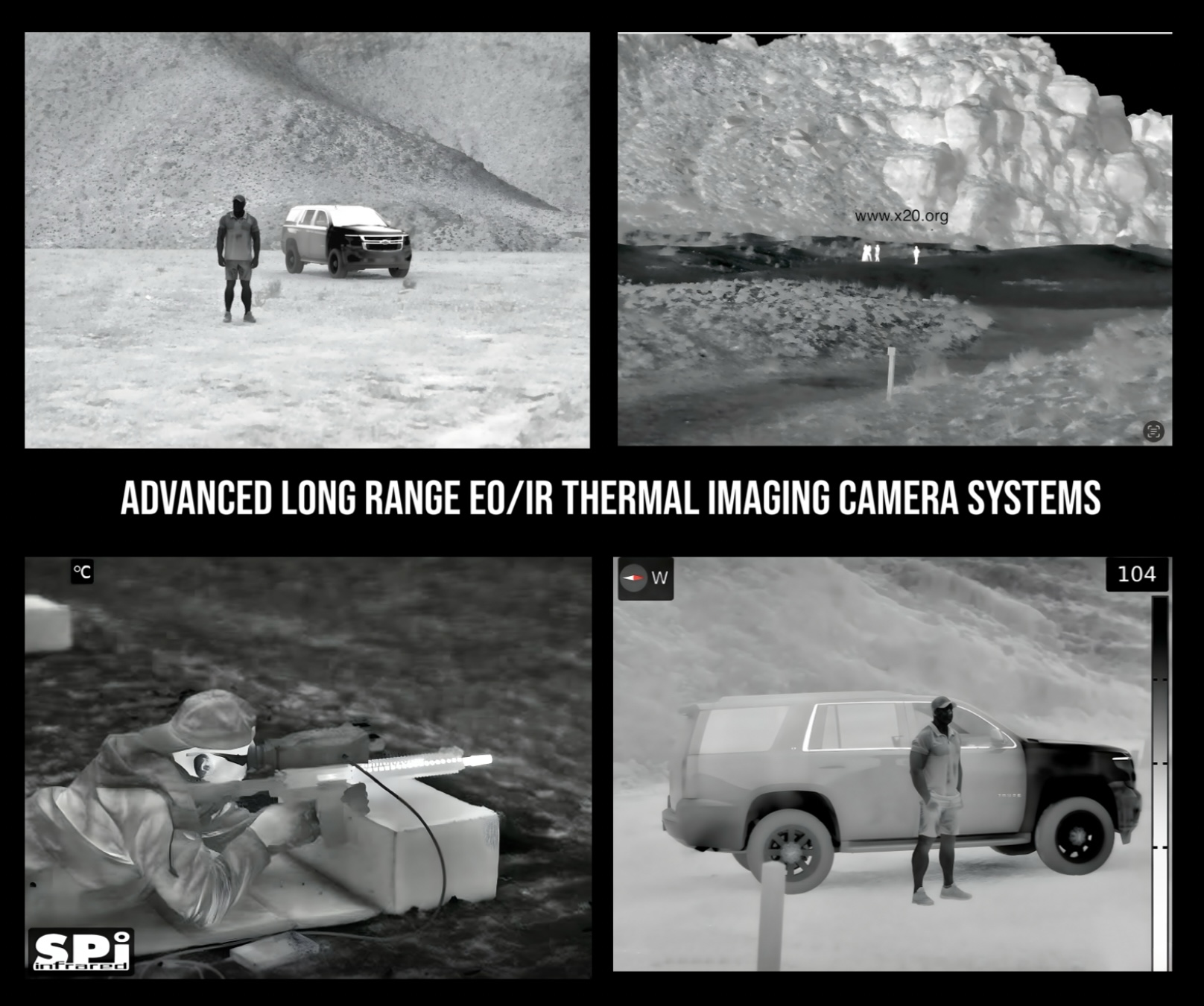
Long-Range PTZ Thermal Infrared Imaging FLIR Cameras for HD security, surveillance, tracking, border, shoreline and coastal night vision.

-AI technology for advanced new Long range EO/IR surveillance techniques
-Auto Detects heat signatures up to 55 kilometers away
-Critical for Long Range Fixed, mobile, maritime, marine, UAV, drone, uas, UGV, USV, CUAS Swarm for homeland security, military, law enforcement and industrial applications
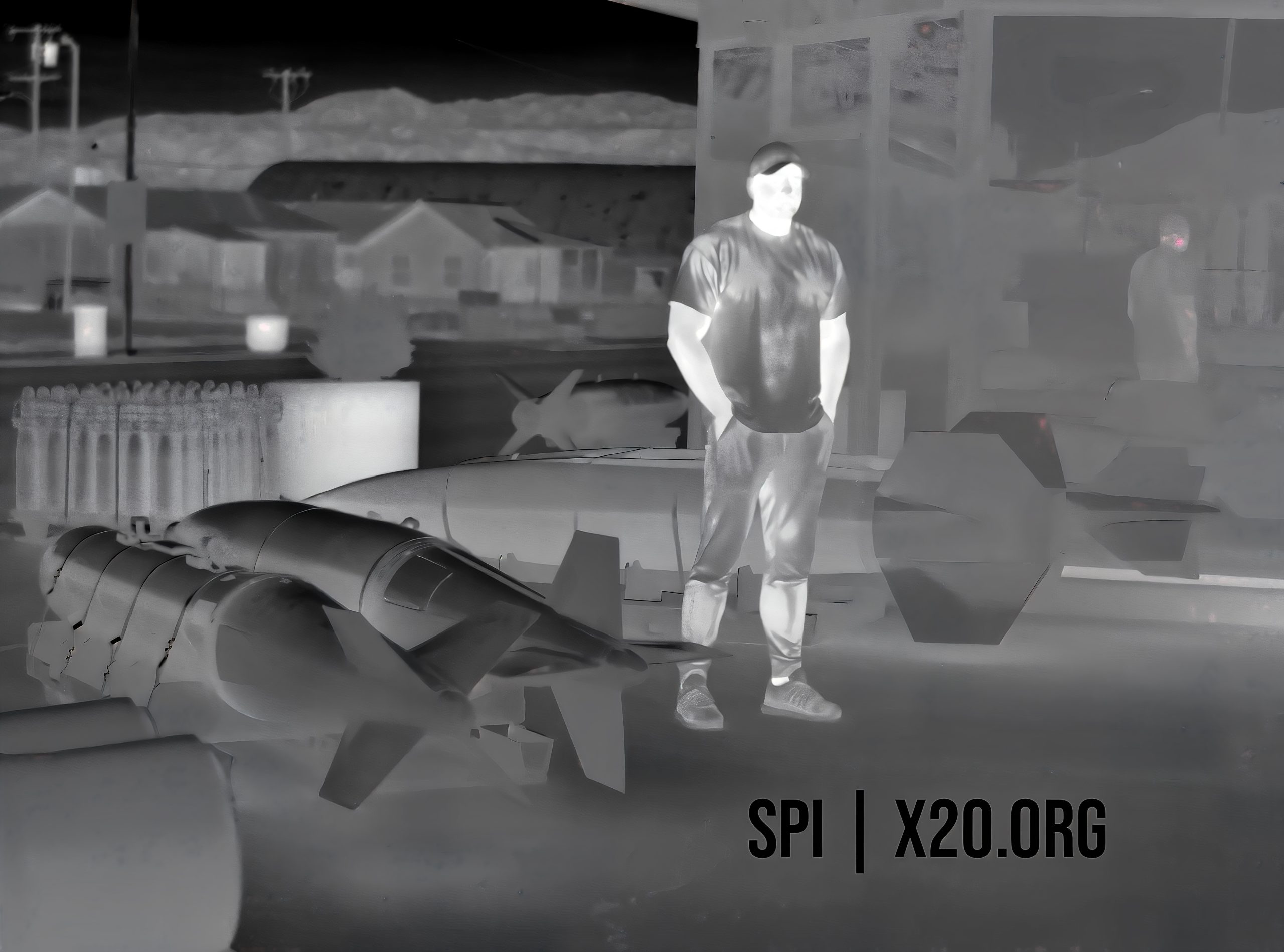
How Thermal Imaging Works
- Captures infrared radiation (3-14 micron wavelengths)
- Detects heat signatures invisible to human eye
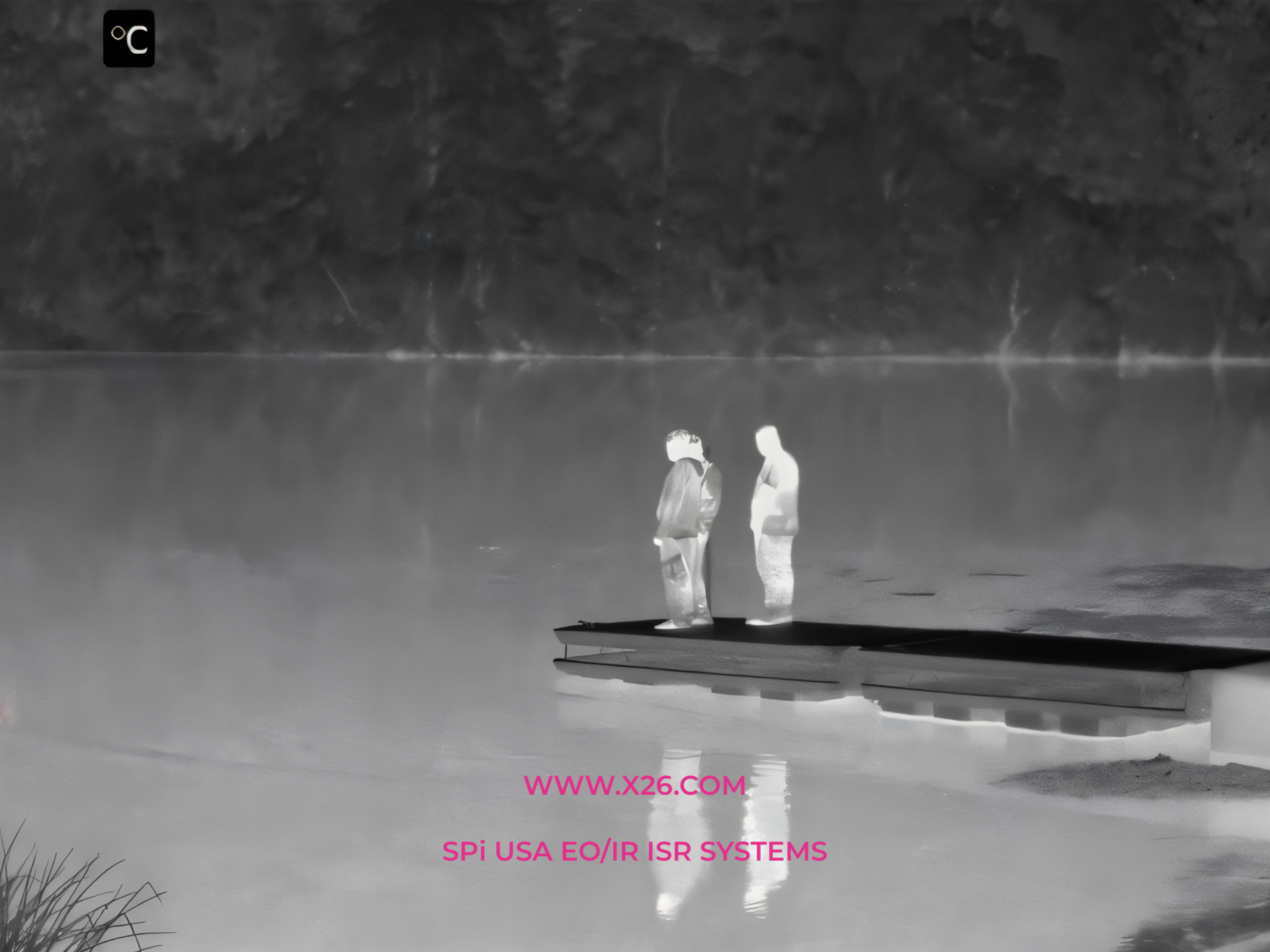
- Works in complete darkness, through smoke, fog, and foliage
- Temperature differences create detailed thermal images
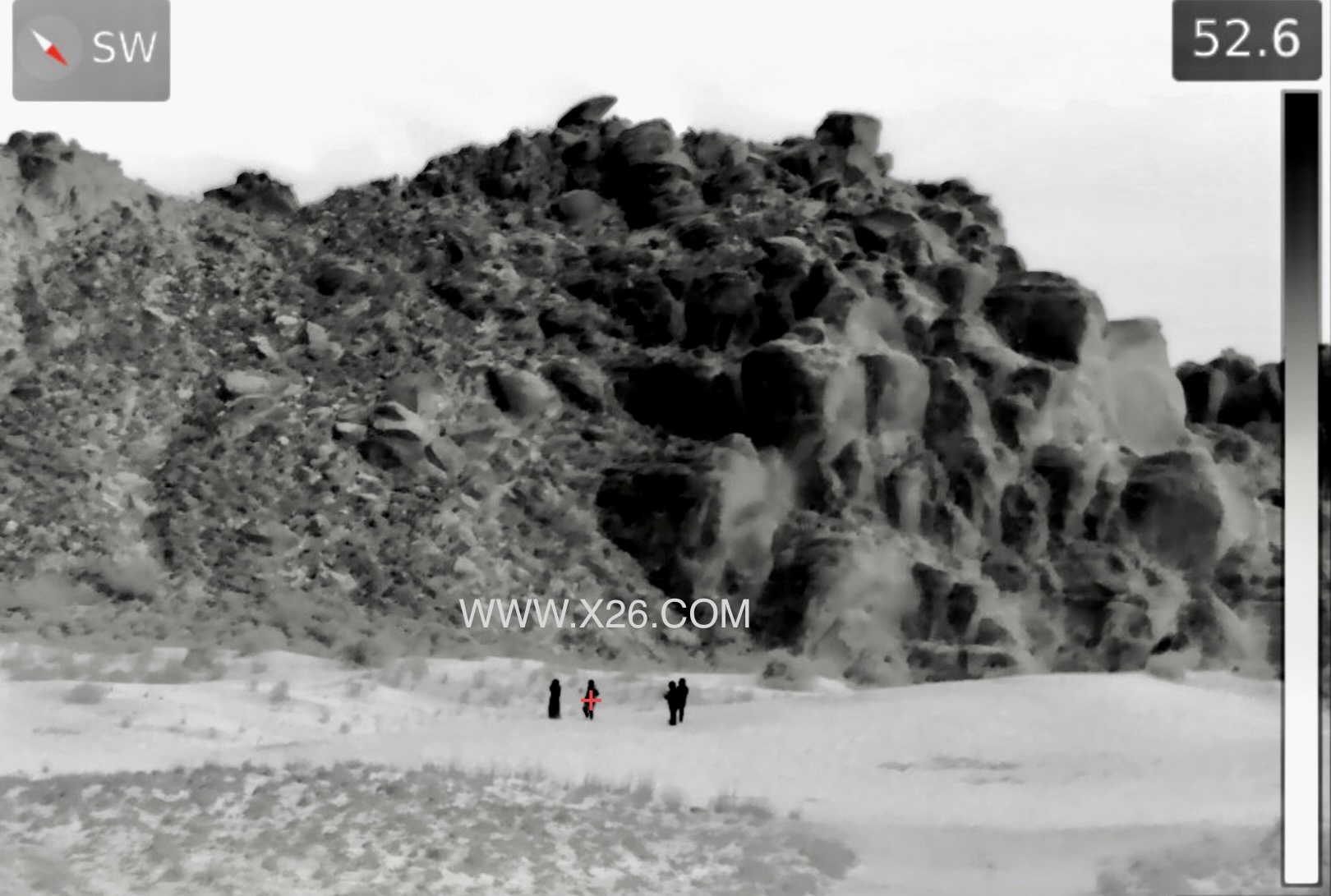
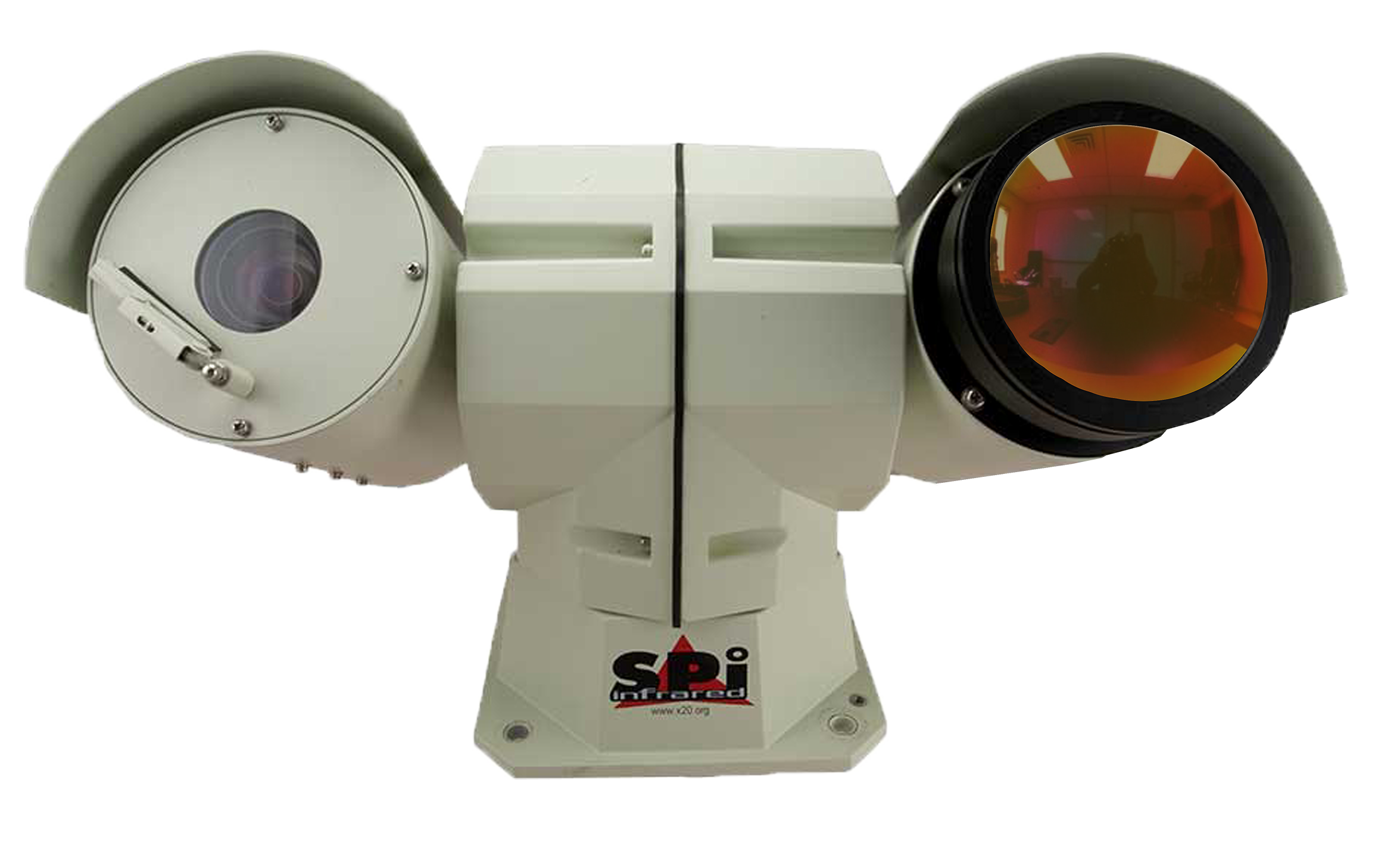
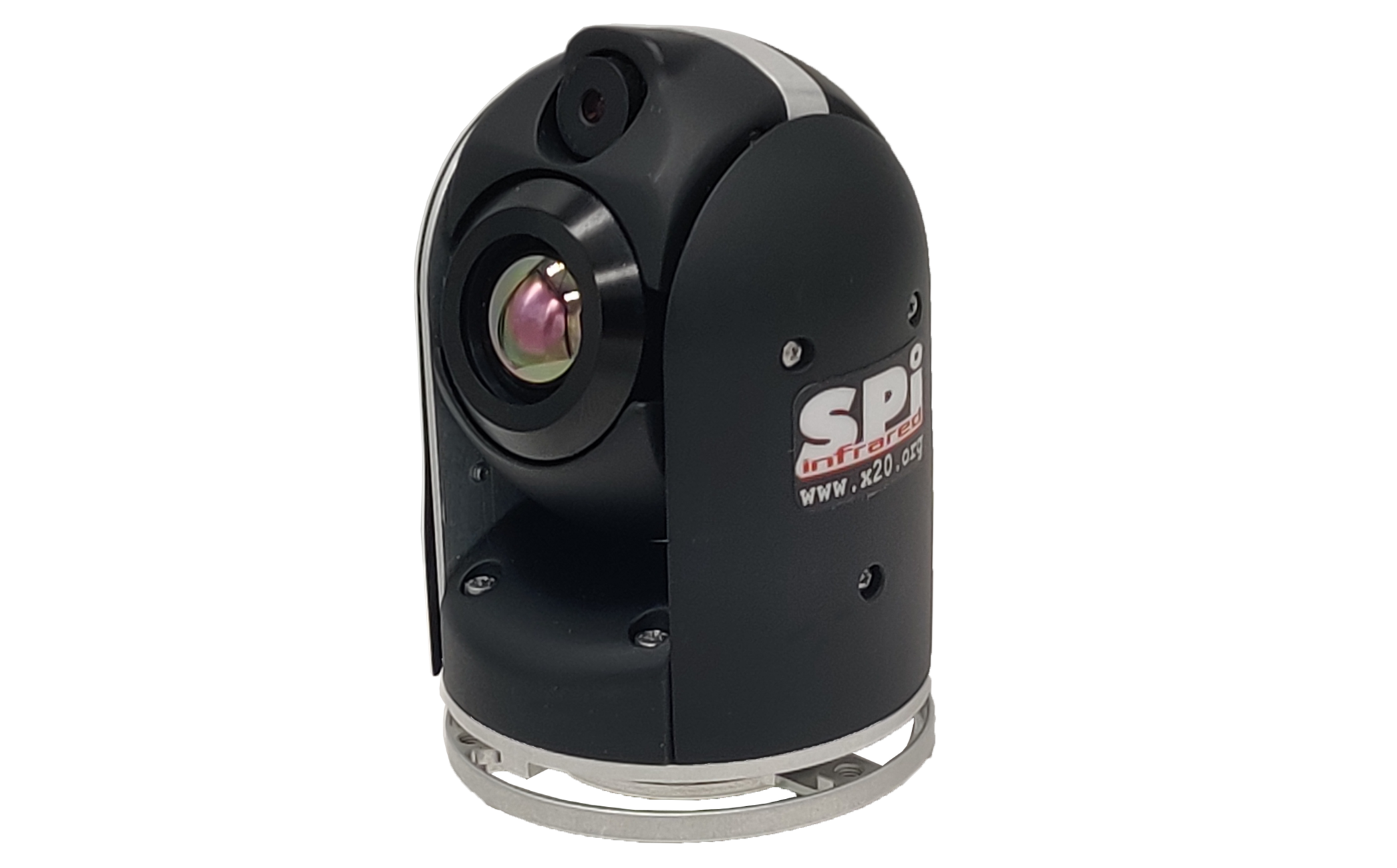
boat day/night vision PTZ thermal Flir gimbal
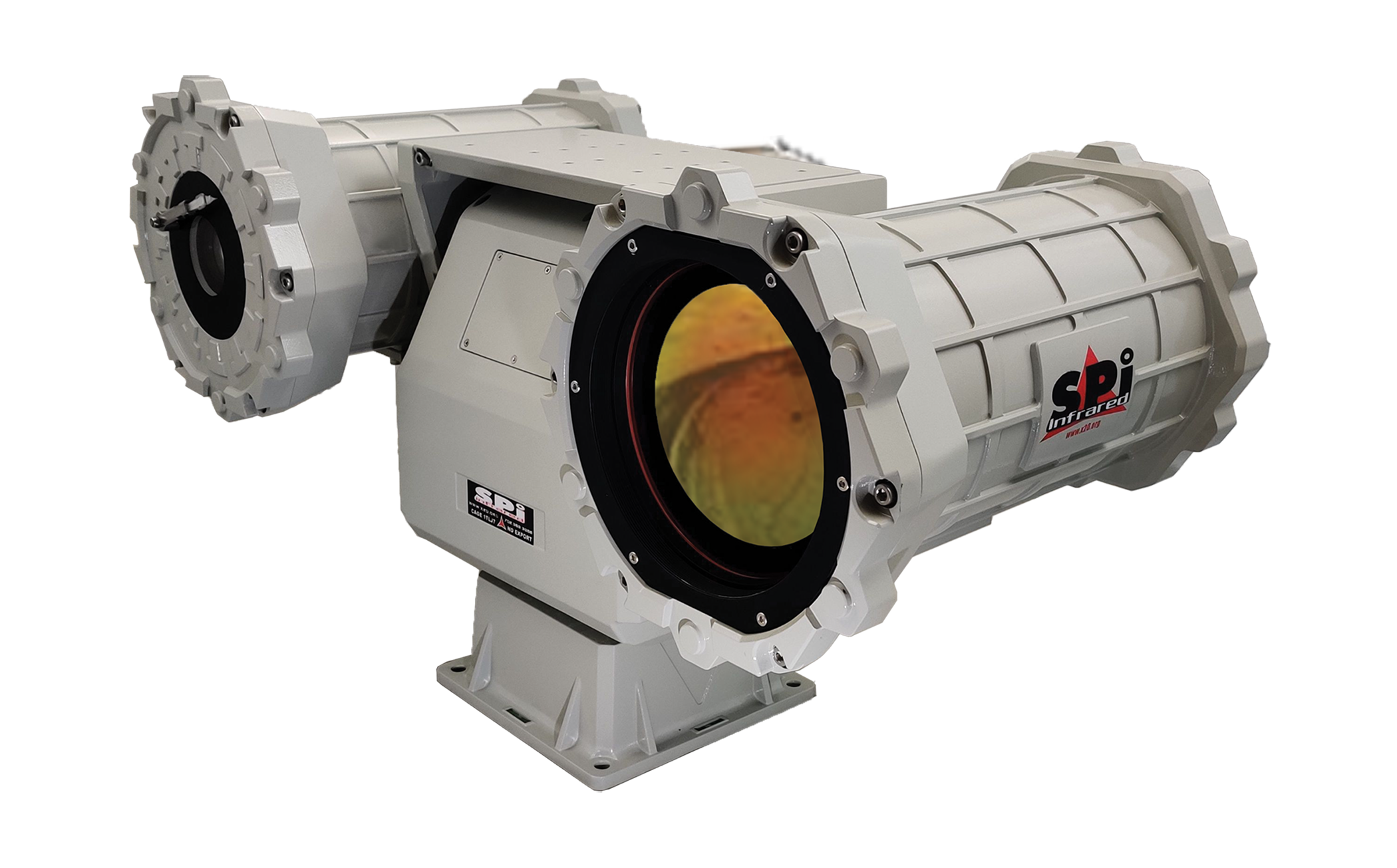
M7 Falcon Multi Sensor Long Range PTZ flir thermal imaging
security / surveillance Border & Coastal MWIR / LWIR / SWIR Infrared camera system
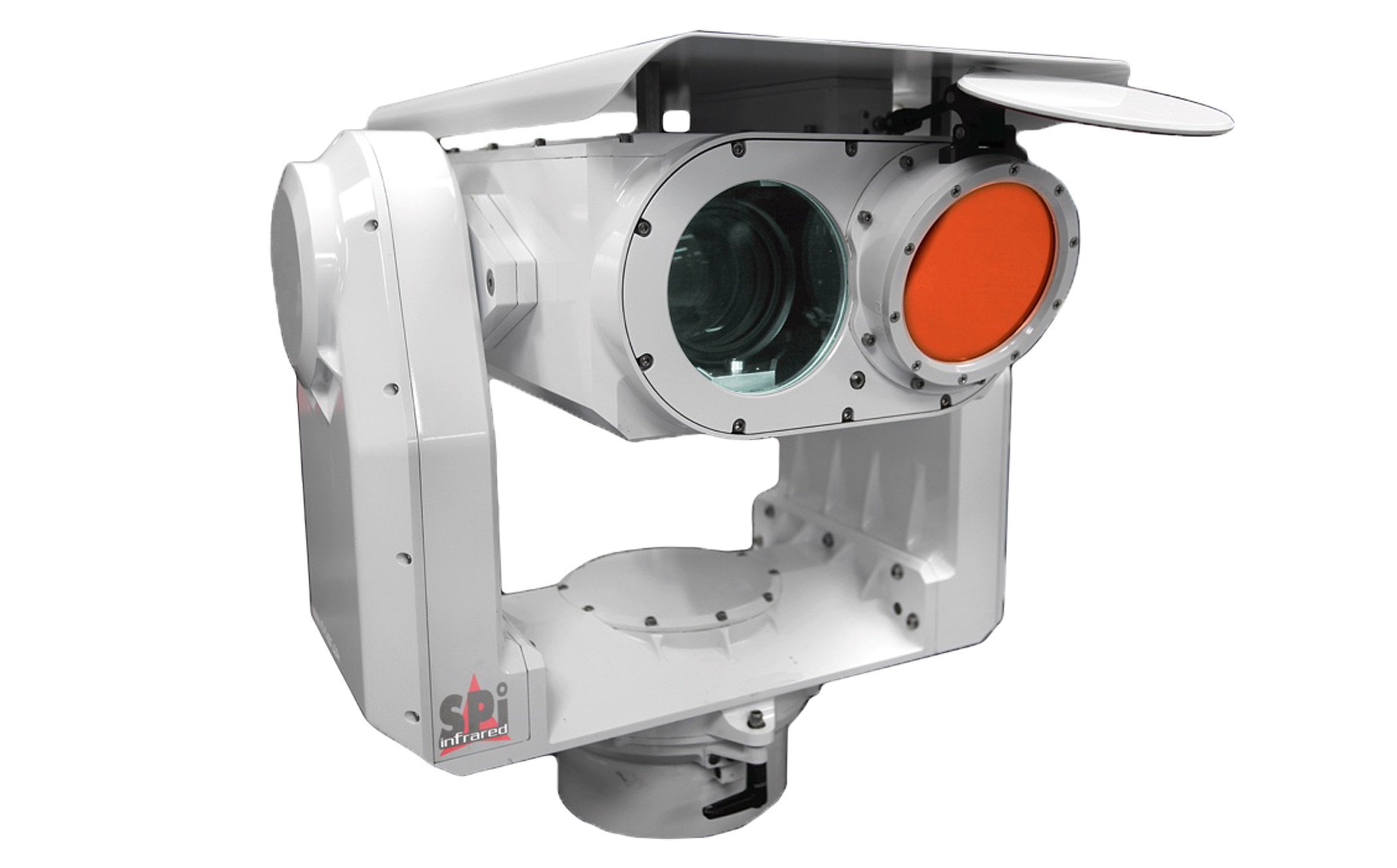
Zoom multi sensor SWIR + LRF+ thermal FLIR imaging security EO/IR camera
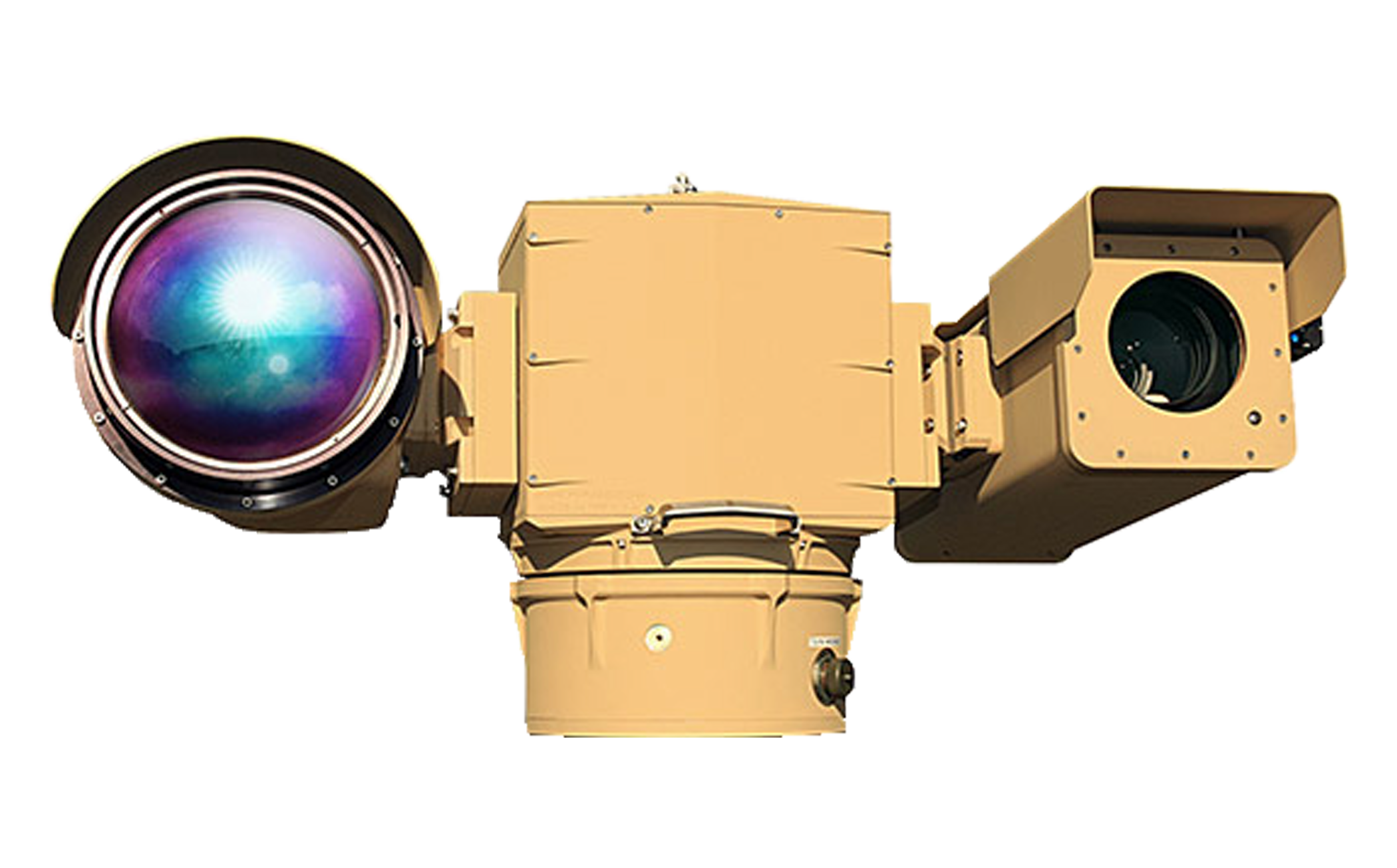
Border, coastal, shoreline, runway, range & flight line security
gimbal camera for CUAS Manned and unmanned drone, UAV, UAS, SUAS, UGV payload platforms
Camera Types and Technologies
- long range Mid-Wave Infrared (MWIR) Cooled Systems
- long range Long-Wave Infrared (LWIR) Uncooled Systems
- long range sensor Detector technologies: Microbolometer, InSb, MCT, new exotic HOT detectors up to 10 Megapixels
- HD Resolution ranges from 640×480 to 1024×768 pixels 1280×1024 and up to 4k UHD MWIR, SWIR and LWIR sensor, camera and long range lens optic packages
- Multiple color palettes (white hot, black hot, color)
Advanced Features and Capabilities
- 360-degree continuous rotation
- Continuous optical zoom up to 3000mm focal length
- Gyro-stabilized platforms
- Integrated laser range finders
- Multi-sensor configurations (visible, SWIR, thermal)
- Detection ranges exceeding 55 kilometers
Key Applications
- Border and coastal security
- Military and defense operations
- Maritime surveillance
- Critical infrastructure protection
- Wildlife monitoring
- Industrial inspection
- Search and rescue missions
Technical Specifications
- Operating temperatures: -40°C to +70°C
- IP68 rugged waterproof design
- 24/7/365 continuous operation capability
- Multiple connectivity options (Ethernet, fiber, wireless)
- Integration with radar and tracking systems
Industry-Specific Solutions
- Customizable payload configurations
- Drone and mobile platform compatibility
- Specialized lenses for different environments
- AI and machine learning integration
- Real-time image fusion and tracking
Assessment/Conclusion
- Transforming surveillance and monitoring capabilities
- Continuous technological advancements
- Critical tool for security and situational awareness
- Future of long-range imaging technology
Our Long Range Thermal imaging PTZ FLIR Camera Product Offering
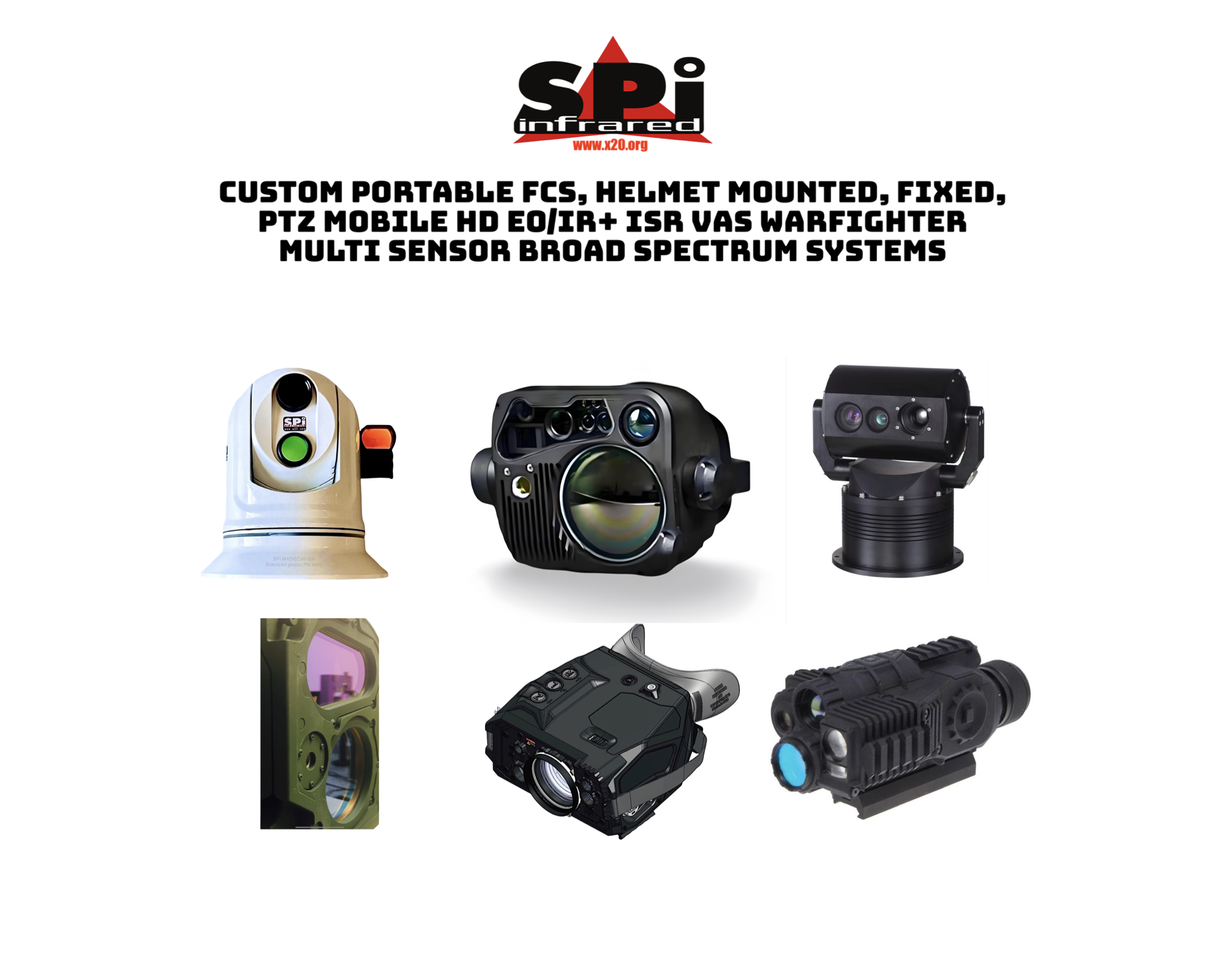
- Extremely Compact and ultra lightweight UAV UGV Drone gimbal systems in the very popular micro M2-D mini gimbal Gyro stabilized EO/IR PTZ gimbal cameras
- Amazing clear picture in a Non-Cooled Long Range LWIR Dual Camera system like the M7 Falcon
- Extreme distance Long Range MWIR midwave Cooled Dual Camera systems like the M9 and M11, Our Robust systems can be custom designed and built to your exact requirements.
- Our systems are ideal for ground, vehicle mobile and marine environments and are mounted on fixed installations, telescoping masts, tripods, poles in border, coastal, shoreline, ranges, bases and critical facilities where uninterrupted 24/7/365 day and night security and surveillance is essential
- Ethernet and Multiple connectivity options, H.264/H.265/H.266 & Available in SD HD And Ultra HD
- NDAA 889 compliant sensor systems
The Definitive Guide to Long-Range PTZ Thermal Infrared Imaging FLIR Cameras
In the modern theater of perimeter defense, critical infrastructure protection, and border management, standard visual surveillance systems fall short. Unfavorable atmospheric conditions, total darkness, fog, dense smoke, and heavy foliage leave vulnerabilities that only advanced electro-optical and infrared (EO/IR) technologies can close.
Long-range Pan-Tilt-Zoom (PTZ) thermal infrared imaging Forward-Looking Infrared (FLIR) cameras stand at the pinnacle of 24/7 situational awareness. These elite electro-optical systems detect, track, and identify targets across immense distances under any environmental scenario.
How Advanced Thermal Infrared Imaging Works
Unlike traditional cameras that require ambient light or near-infrared illumination, long-range thermal FLIR systems operate by capturing mid-wave (MWIR) and long-wave (LWIR) infrared radiation. This electromagnetic energy, spanning wavelengths from 3 to 14 microns, is emitted by all matter relative to its temperature.
By sensing minute temperature variances—often down to fractions of a degree—the camera’s focal plane array creates high-contrast thermal maps. Because this detection process is completely passive, it relies on zero visible light. As a result, it can penetrate smoke, sandstorms, sea spray, and thick foliage with ease.
Cooled MWIR vs. Uncooled LWIR Sensors: Architectural Differences
When selecting a long-range PTZ thermal camera configuration, the choice between Mid-Wave Infrared (MWIR) and Long-Wave Infrared (LWIR) technologies dictates the system’s operational range and environmental suitability.
Long-Range Mid-Wave Infrared (MWIR) Cooled Systems
MWIR systems utilize specialized, cryogenically cooled detectors (typically Indium Antimonide [InSb] or Mercury Cadmium Telluride [MCT]) housed inside a vacuum-sealed cooler. Lowering the sensor temperature to approximately 77 Kelvin (-196°C) eliminates background thermal noise, maximizing sensitivity.
-
Wavelength Band: 3.0 – 5.0 microns.
-
Primary Advantage: Exceptional sensitivity and minimal atmospheric attenuation over long distances, particularly in high-humidity or marine environments.
-
Optics Capabilities: Supports continuous optical zoom lenses up to 3000mm focal lengths.
-
Operational Range: Extreme distances, capable of auto-detecting thermal heat signatures up to 55 kilometers away.
Long-Range Long-Wave Infrared (LWIR) Uncooled Systems
LWIR systems operate at ambient temperatures utilizing microbolometer sensor technology. While they lack the extreme range performance of cooled units, they require less maintenance, offer lower power consumption, and provide instant-on functionality.
-
Wavelength Band: 8.0 – 14.0 microns.
-
Primary Advantage: Long operational lifespans with lower total cost of ownership.
-
Best Suited For: Mid-to-long-range terrestrial perimeters, industrial inspection, and rapid-deployment tactical kits.
Next-Generation Long Range FLIR AI Sensor Detector Technologies
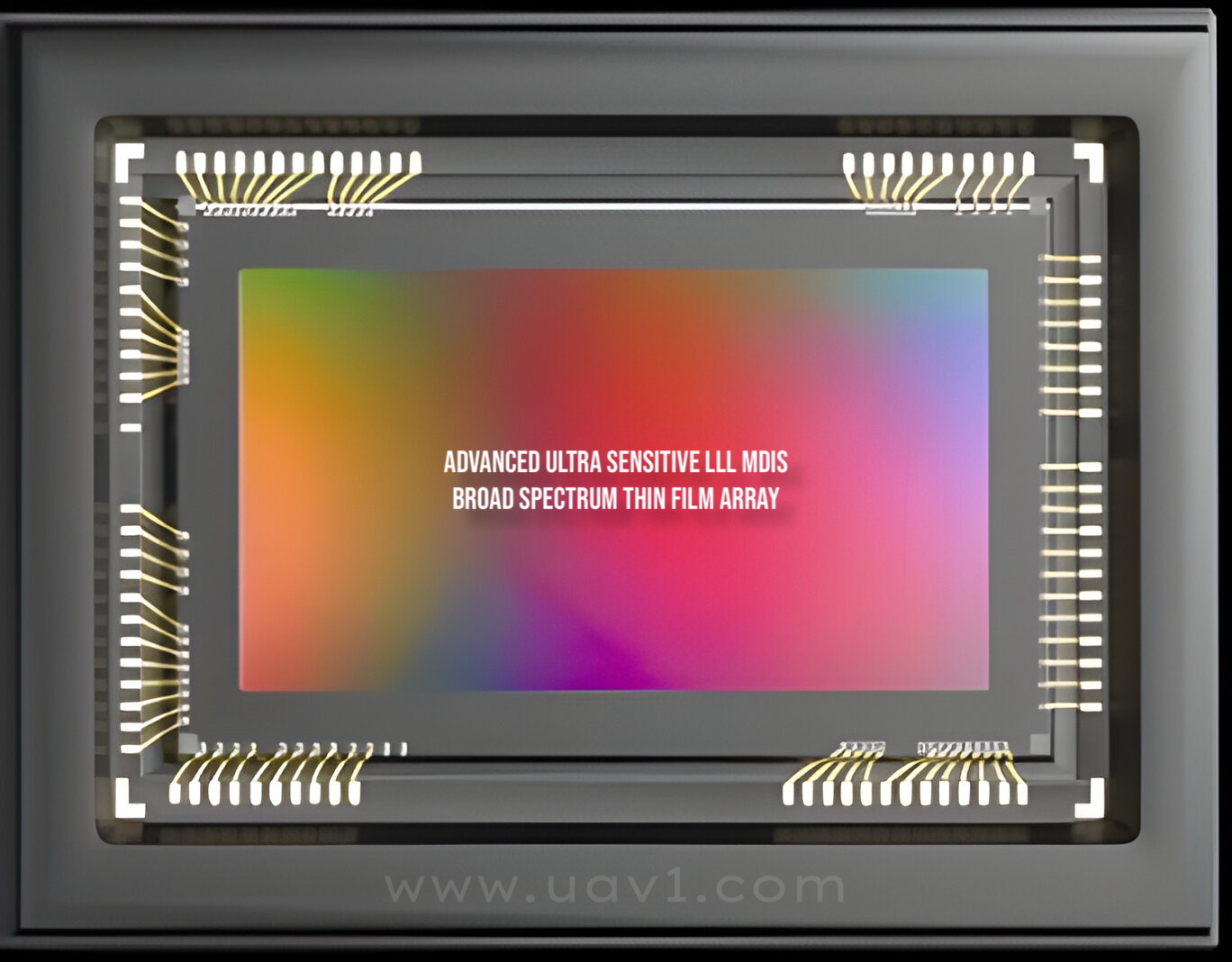
Emerging architectures introduce Short-Wave Infrared (SWIR) sensors along with High Operating Temperature (HOT) MCT detectors. These innovations scale up to 10-Megapixel configurations, yielding crisp ultra-high-definition (UHD) thermal resolution.
Part 3: Deep-Dive Product Showcases
1. M5 WSTI / SRTI / LRTI Series: Long-Range EO/IR ISR Camera
The M5 series represents a versatile multi-sensor solution optimized for Intelligence, Surveillance, and Reconnaissance (ISR) campaigns. Built to bridge the gap between medium-range perimeter security and long-range border tracking, the M5 platform integrates continuous optical zoom lenses with premium FLIR cores.
-
Core Systems: Dual-sensor payload housing high-definition visual sensors alongside high-performance thermal infrared imaging channels.
-
Applications: Military base defense, shoreline monitoring, and multi-agency law enforcement tracking.
-
Key Value: Configurable focal lengths tailored directly to short-range (SRTI), wide-area (WSTI), or long-range (LRTI) mission specifications.
2. M1D Series: Mobile NDAA 889 Compact Vehicle & Marine Gimbal
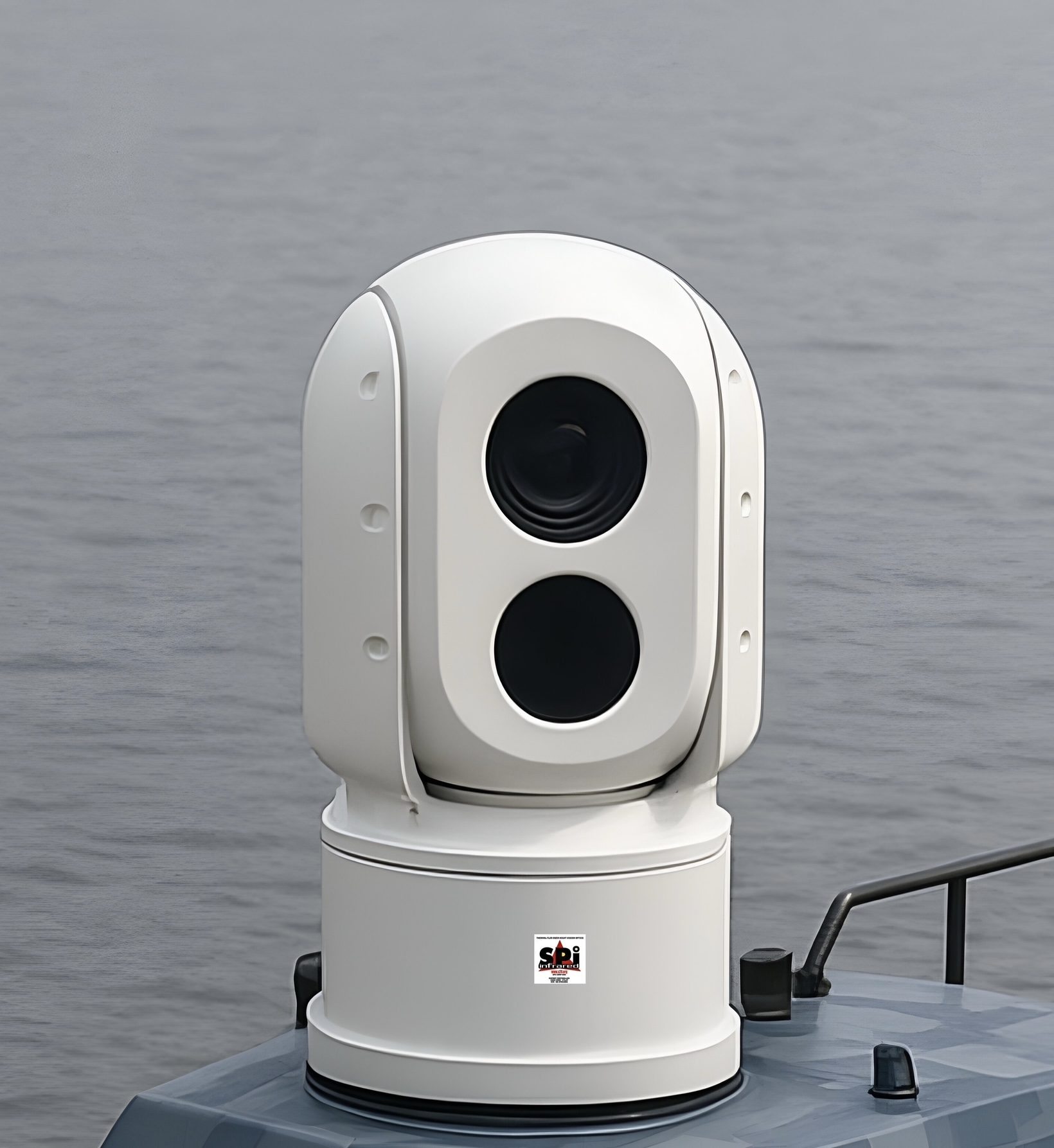
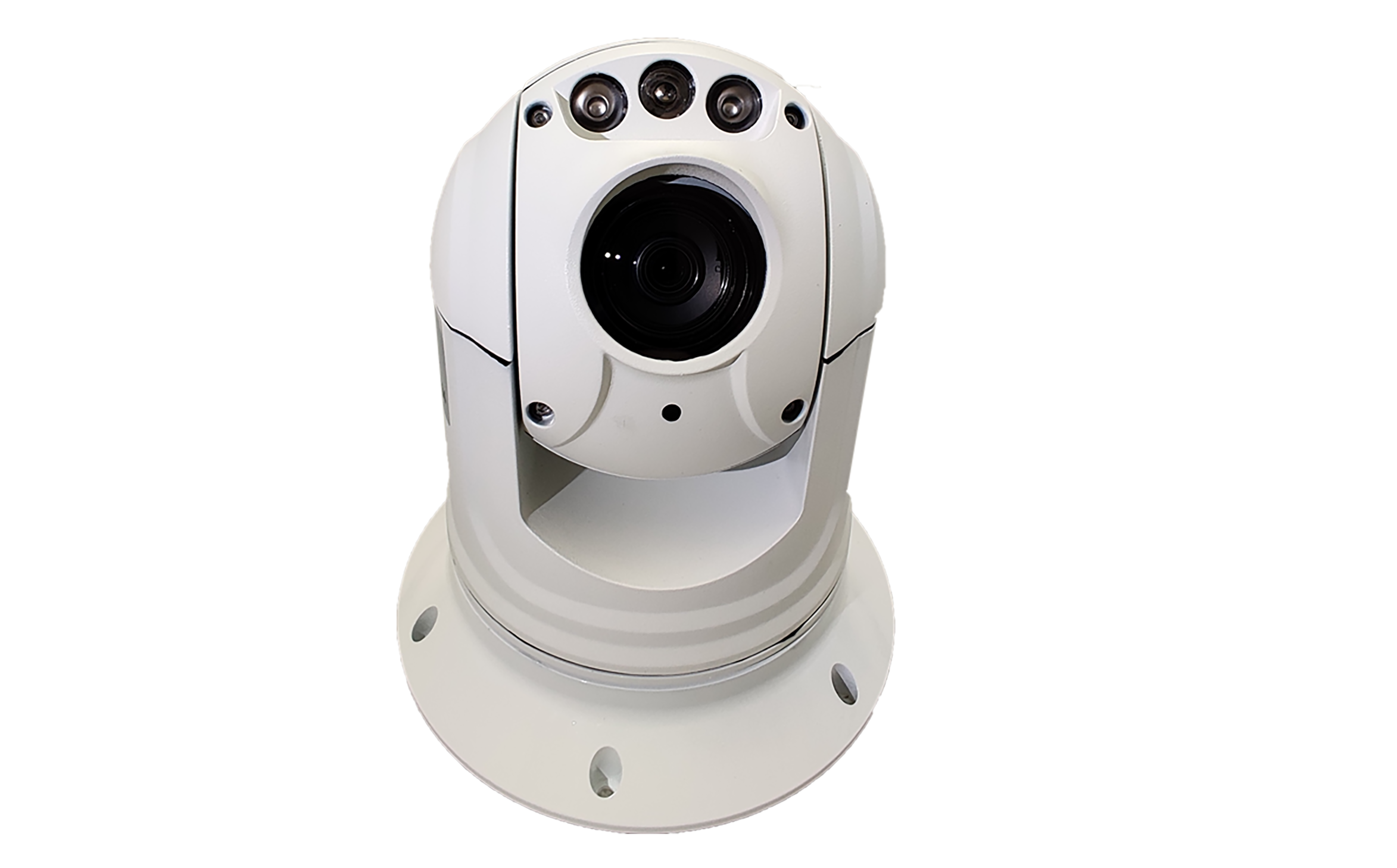
M1D EOIR 889 NDAA UAV UGV USV EOIR Thermal PTZ Gimbal turret
Engineered for mobile operational environments, the M1D is an ultra-rugged, compact EO/IR PTZ system designed for roof-mounted vehicular, marine, and unmanned platform deployment.
-
NDAA 889 Compliance: Fully compliant with federal defense procurement guidelines, ensuring seamless integration into U.S. military and federal agency networks.
-
Deployment Platforms: Highly compatible with Unmanned Ground Vehicles (UGVs), Unmanned Surface Vessels (USVs), and armored tactical vehicles.
-
Marine Preservation: Salt-fog resistant coating and specialized sealing defend against harsh coastal and open-sea environments.
3. M7 Falcon: Multi-Sensor Border & Coastal Multi-Band System
The M7 Falcon is an advanced multi-spectral surveillance station configured explicitly for wide-area maritime and international border environments. By combining multiple thermal bands, the M7 cuts through complex atmospheric distortions.
-
Tri-Band Spectrum Integration: Configurable with MWIR, LWIR, and SWIR (Short-Wave Infrared) tracking cores.
-
Optics Design: Features large-aperture continuous zoom lenses that reveal small watercraft, low-altitude aerial threats, or unauthorized border crossings in pitch black conditions.
-
Sensor Blending: Real-time software engines combine visible and thermal data feeds, giving operators unmatched clarity in challenging conditions.
4. M9 Series: Cooled MWIR Ultra-Extreme Long-Range Pan-Tilt-Zoom
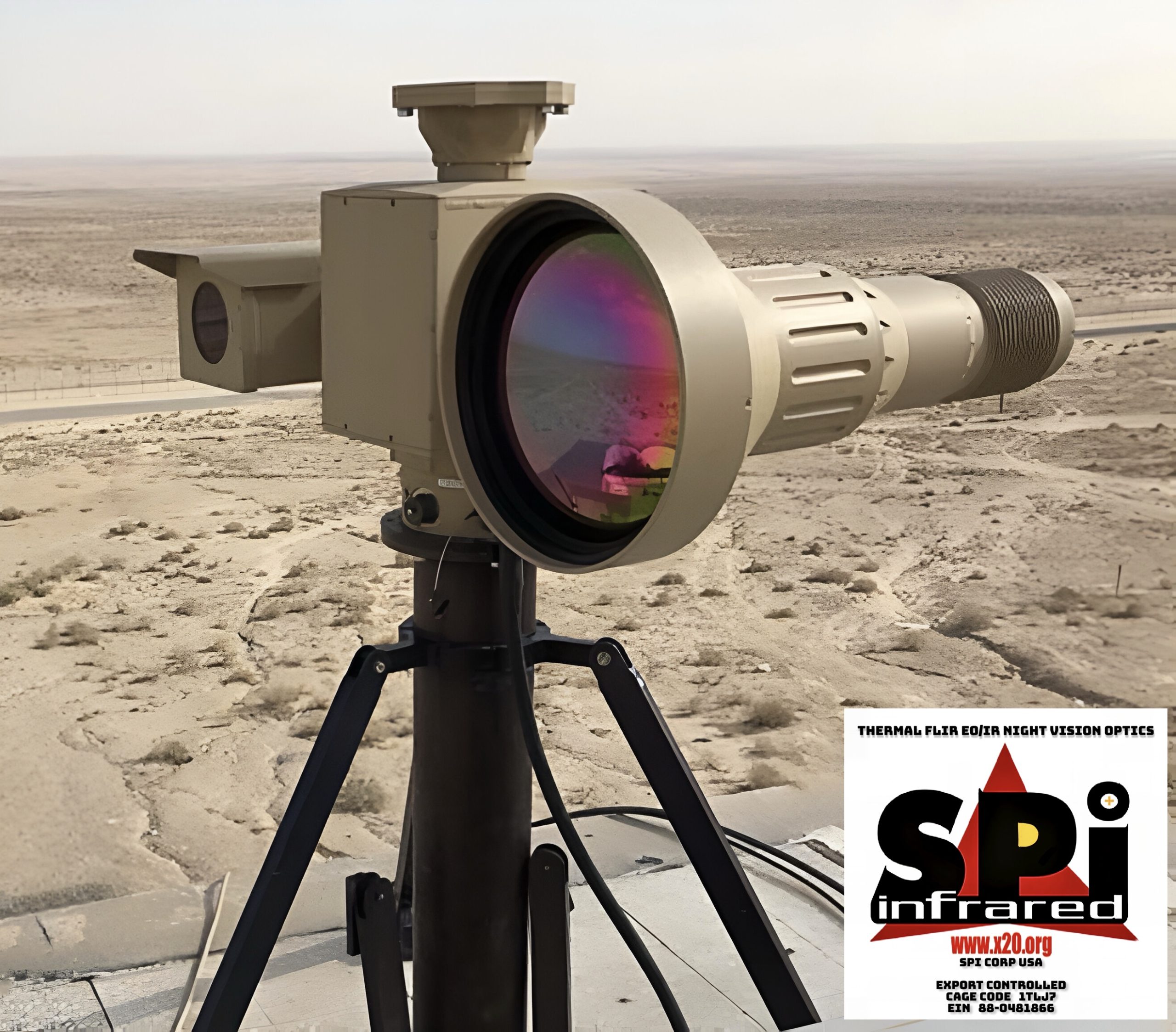
When your mission demands absolute target identification over tens of kilometers, the M9 Series provides unmatched power. This ultra-extreme long-range multi-sensor platform stands as a top choice for national defense boundaries.
-
Sensor Core: High-definition cryogenically cooled MWIR detector.
-
Integrated Multi-Sensor Suite: Combines the primary thermal core with an integrated Laser Range Finder (LRF), a SWIR camera, and a low-light HD visible sensor.
-
Range Capabilities: Pinpoints heat signatures and structural shapes near extreme system boundaries, providing critical reaction windows for remote defense operators.
5. M11 Series: Elite Border, Coastal, and Flight Line Protection
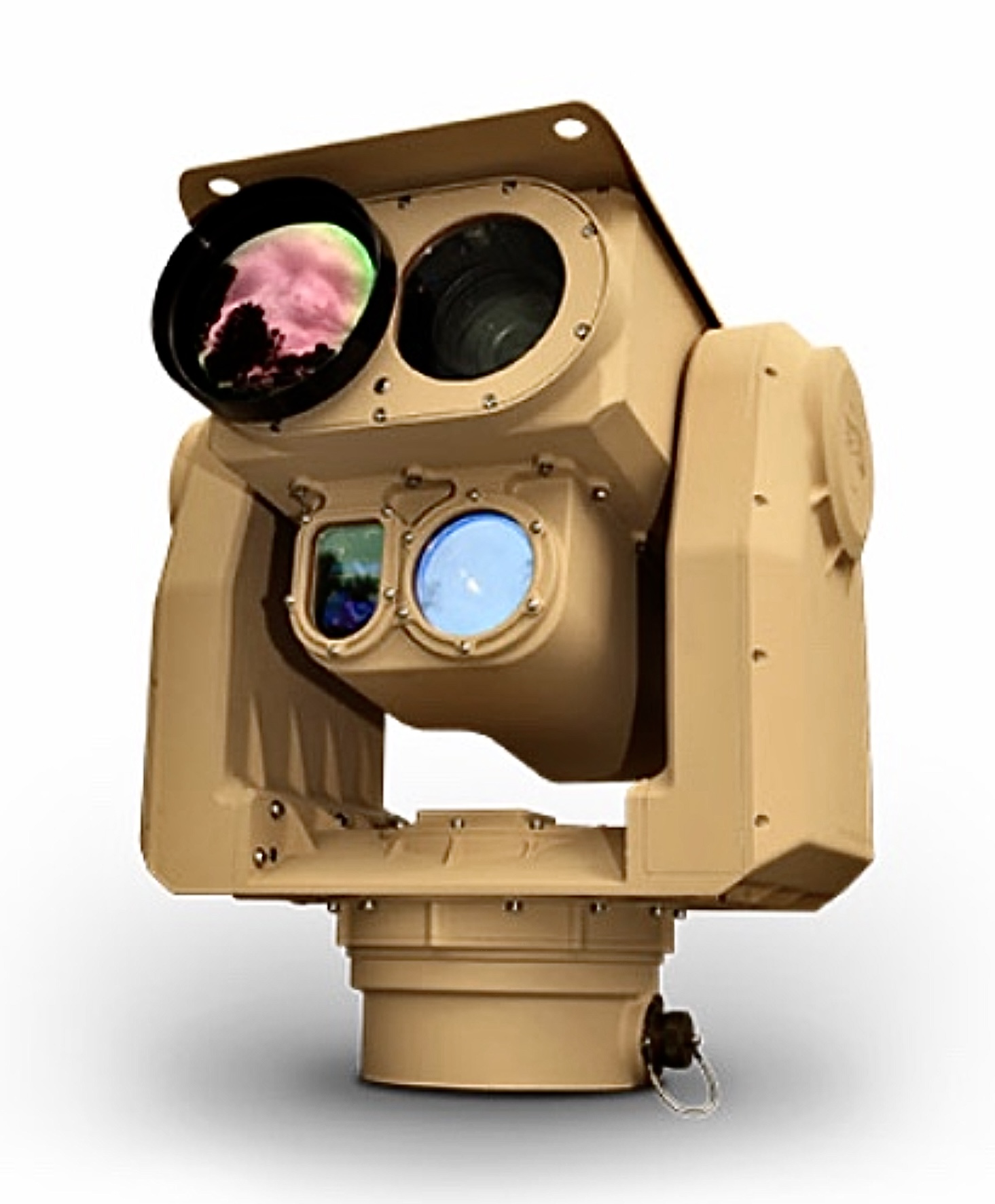
The M11 Series provides deep spatial tracking for expansive, high-value perimeters like airport runways, flight lines, military testing ranges, and national maritime ports.
-
Continuous Rotation: 360-degree endless pan mechanics coupled with smart tilt vectors ensure complete coverage with zero dead zones.
-
Radar Integration: Slaves directly to automated ground or marine radar tracks. The system auto-slews to target locations and tracks moving assets without needing manual operator adjustments.
-
Rugged Construction: Rated for constant operation in environments ranging from -40°C to +70°C, and shielded inside an IP68-sealed housing.
6. M2-D Series: Micro Mini UAV UAS CUAS EO-IR Gyro-Stabilized Lightweight Gimbal
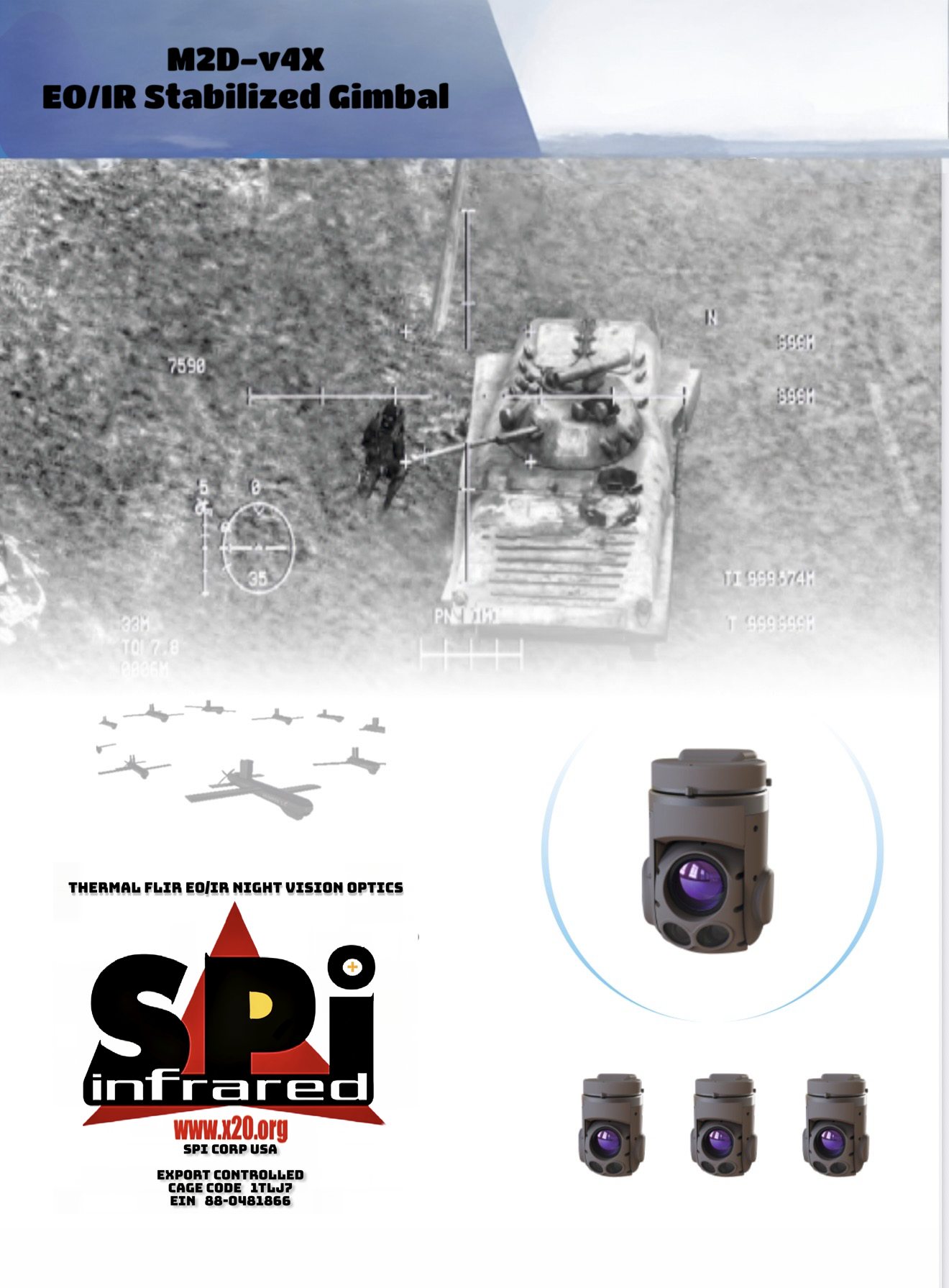 The M2-D addresses the critical demand for ultra-lightweight, high-performance optics across autonomous and airborne platforms. This micro-miniature turret packs heavy-duty surveillance power into a small, portable footprint.
-
Stabilization Control: Dual-axis active MEMS/motor gyro-stabilization eliminates platform jitter, vibration, and angular deviations during high-speed movement.
-
Target Payload Platforms: Designed for Manned and Unmanned Aerial Systems (UAS, UAV, sUAS), Unmanned Ground Vehicles (UGVs), and Counter-UAS (C-UAS) kinetic tracking mounts.
-
Data Protocols: Advanced H.264/H.265/H.266 compression streams high-definition video over low-bandwidth tactical datalinks.
Part 4: Industry & Application Matrix
| Target Application | Key Requirements | Recommended System Configuration |
| International Border Defense | Longest detection ranges (up to 55km), multi-sensor arrays, radar slewing, heavy duty continuous optical zoom. | M9 Cooled MWIR or M11 Border Tracker |
| Coastal & Maritime Guard | Multi-spectral imagery, salt-fog protection, SWIR for sea-mist penetration, sensor fusion. | M7 Falcon Multi-Sensor |
| Mobile Tactical & Drone Payloads | Low weight, low power draw, gyro-stabilization, compact housings, federal regulatory alignment. | M2-D Micro Gimbal or M1D NDAA Roof Mount |
| Airports & Critical Facilities | 24/7/365 uninterrupted operation, IP68 environmental rating, automated target tracking, thermal analytics. | M5 LRTI or M11 Runway Series |
Turn Night into Day: Secure Your Operations with SPI Corp
In high-stakes security, second-best is not an option. Sierra Pacific Innovations (SPI Corp) designs, builds, and deploys high-performance long-range PTZ thermal infrared imaging systems that secure borders, protect critical assets, and support defense teams globally.
From tactical micro-gimbals like the M2-D to multi-spectral long-range trackers like the M7 Falcon and M9 Cooled MWIR, our solutions provide reliable performance under the toughest conditions.
Custom Electro-Optics Built for Your Mission
We specialize in custom engineering, rapid prototyping, and advanced multi-sensor integration:
-
Multi-channel sensor blending and image fusion.
-
Custom FPGA logic design and rapid 3D prototyping.
-
Visible, SWIR, MWIR, LWIR, and VLWIR custom optical systems.
-
Active gyro/MEMS stabilization for marine, land-mobile, and aerial turrets.
Contact Our Engineering and Sales Professionals Today
Let our team build a custom configuration tailored to your precise mission needs.
-
Headquarters: Sierra Pacific Innovations | Las Vegas, NV 89113 USA
-
Direct Phone: (702) 369-3966
-
Corporate Web Portal: https://www.x26.com
What is the maximum range of a long-range thermal PTZ camera?
Long-range PTZ thermal FLIR systems can detect human or vehicular heat signatures at extreme distances. High-performance, cryogenically cooled Mid-Wave Infrared (MWIR) models—such as the SPI M9 or M11—can track and auto-detect targets up to 55 kilometers away, depending on the sensor size, lens configuration, and ambient weather conditions.
What is the difference between MWIR and LWIR thermal cameras?
The main differences lie in their operating wavelengths, sensor designs, and target use cases:
-
MWIR (Mid-Wave Infrared) systems operate in the 3–5 micron band, feature cryogenically cooled sensors, support zoom lenses up to 3000mm, and deliver maximum range performance through humidity and marine haze.
-
LWIR (Long-Wave Infrared) systems operate in the 8–14 micron band, run on uncooled microbolometers, require less maintenance, and are perfect for short-to-medium range perimeter defense.
What does NDAA 889 compliance mean for thermal camera systems?
NDAA 889 compliance means the camera systems do not use components or semiconductor chips from restricted manufacturers specified in Section 889 of the National Defense Authorization Act. This certification is mandatory for any equipment deployed across U.S. military bases, federal perimeters, or government-funded installations. Models like the SPI M1D are fully compliant.
How does gyro-stabilization improve long-range PTZ thermal performance?
At long focal lengths (such as 1000mm to 3000mm), even tiny vibrations from wind, moving vehicles, or ocean waves can blur the video feed. Active gyro-stabilization uses internal MEMS sensors and high-speed motors to counteract movement in real time. This keeps the thermal image clear and steady on drones, boats, and telescoping masts.
Can long-range thermal cameras integrate with automated radar systems?
Yes. Our premium PTZ thermal systems support automated integration with ground and marine radar through standard communication networks. When the radar detects a target, it sends the coordinates to the thermal camera. The camera then automatically slews to that position and tracks the target without requiring any manual input from an operator.
S25 multi sensor LRF Long Range PTZ FLIR thermal imaging camera